Remember Veruca Salt from Willy Wonka and the Chocolate Factory? She was the spoiled little girl who wanted what she wanted when she wanted it.
We all have a little Veruca Salt in each of us, and she tends to come out when we have a good idea (or product) that we just know with conviction and certainty is the solution to so many problems. But, why can’t everyone see it the way we do?!
This myopia is human nature. Which is why we have to build teams, processes and practices that mute those tendencies because the only way any idea (or product) is going to resonate and have traction is if it:
1) Reaches the right audiences.
2) Speaks to different audiences in ways that they hear and process information and through channels in which they get their information.
3) Is frequently, consistently and clearly communicated.
Relegating the role of communications in advocacy to an afterthought rather than an upfront and purposeful part of a team’s integrated movement toward a strategic goal is a good example of how many organizations aren’t quieting their inner Veruca. Only a quarter of government relations professionals collaborate regularly with their communications colleagues, according to a new report on the role of government relations from Fiscal Note. This low percentage is particularly striking when at the same time, 45 percent reported that social media is having the biggest impact on its industry.
For issues as complex as most in public policy, whether it’s agriculture, health care or oil and gas, it’s shortsighted and ultimately weakening for organizations not to have government relations professionals/advocates collaborate purposefully, regularly and organically with communications professionals – and not out of obligation or to meet a certain checked box like designing a one-pager. Lobbyists have a complicated job, and the demands are significant. That lobby and advocacy work on behalf of any organization will be more effective if communications has a seat at the table and works side-by-side on developing messaging and deploying messaging to meet clearly articulated goals.
Veruca Salt ultimately didn’t win the chocolate factory. That’s a good lesson for all of us. To succeed at getting what we want takes a different strategy. For advocacy, that strategy is a team approach – one that marries communications and advocacy so that good policy ideas are shared, understood and embraced widely.
Effectively communicating health care policy and politics is what Groundswell Health does best. Contact us to find out how we can amplify your organization’s advocacy messaging to capture the right attention to influence change.
See what else Groundswell Health is working on in healthcare >>

Paul Revere’s midnight ride gets all the glory….
But let’s talk about the Revolution’s real heroes: the mass communicators Who would’ve thought must-see TV for 2025 would be
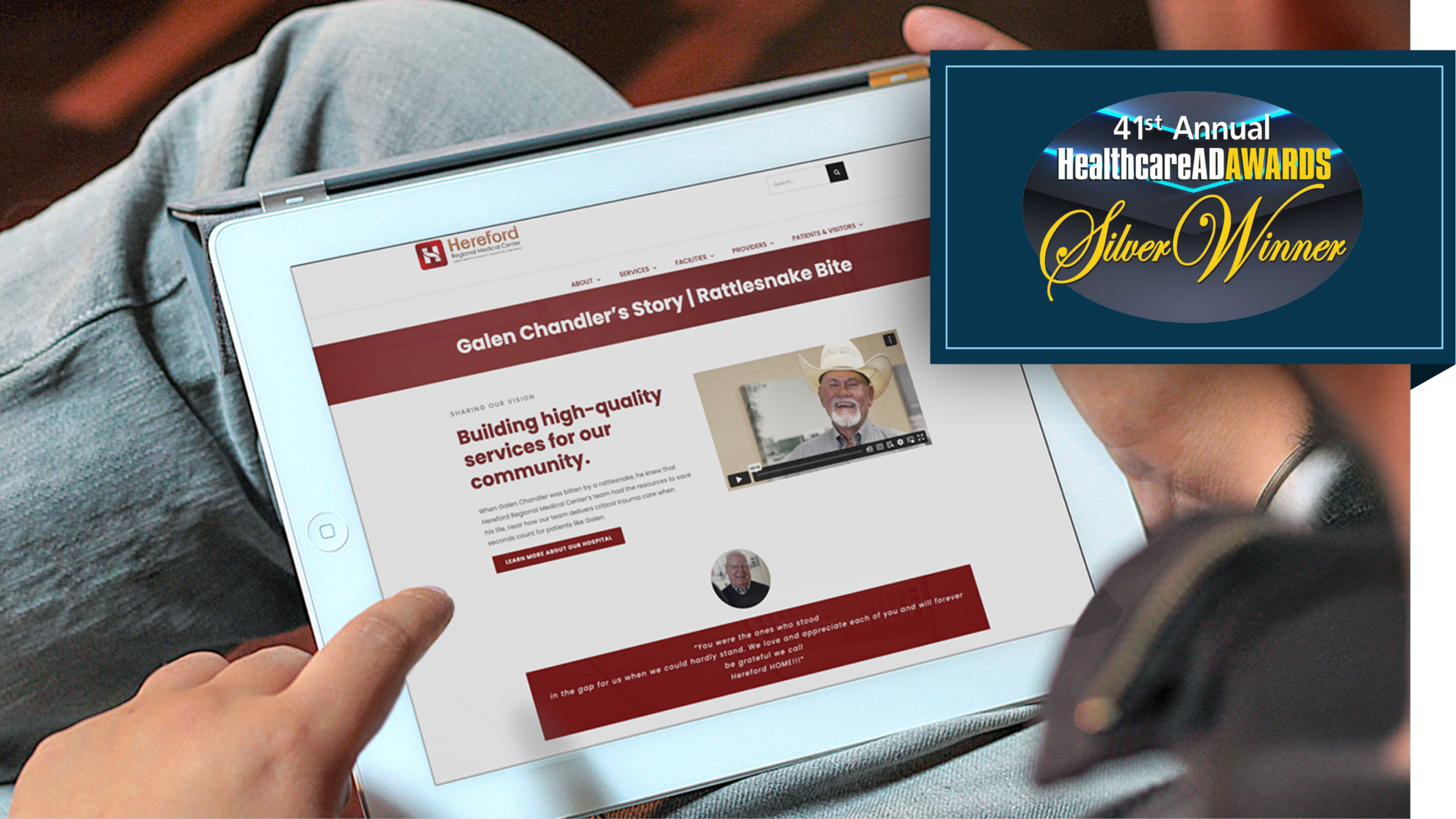
Hiss Happens: That’s Why Rural Hospitals Matter.
In a routine strategic planning session, HRMC leaders mentioned a patient’s close call with a rattlesnake, and the Groundswell Health team knew it would be a message that would resonate especially as legislators considered crucial rural healthcare funding and other rural hospitals struggle to invest and maintain profitability.

Empowering rural hospitals to engage their communities.
Amplifying Rural Voices Empowering rural hospitals to engage their communities. Blog, Social, Outreach, Flyers About

Increasing Patient Volume for Haskell Memorial Hospital
Haskell memorial hospital Increasing Patient Volume Significantly expanding online reach. Website, Digital Targeting About
Medicare Advantage Headlines >>
Ranking Medicare Advantage Insurers by Prior Authorization Denial Overturn Rates
While the majority of Medicare Advantage insurers overturn prior authorization denials when those decisions are appealed, the appeal process adds
Texas Leads Nation in Number of Counties with MA Penetration Exceeding 75 Percent
Of the 38 counties in the U.S where Medicare Advantage enrollment is 75 percent or more, six are in Texas,