Why Rural Healthcare Communications Need More Than New Tools
The Reality Facing Rural Markets
Rural hospitals are increasingly recognizing a structural reality: there are fewer channels available to reach local audiences, and they still need reliable, accurate information. Traditional media has contracted, local newspapers have disappeared or reduced circulation, and broadcast options are limited. As a result, social and digital media have become primary—not secondary—communications channels.
In response, many organizations are investing in:
- Social media management platforms
- Email marketing software
- Website upgrades and analytics tools
- Dedicated communications and marketing staff
These investments are necessary — but on their own, they are rarely sufficient, and they could be more damaging.
Tools Don’t Create Impact. Systems Do.
One of the central themes of the Groundswell Health training program is that software and staffing do not automatically produce return on investment. Without clear systems, best practices, and shared standards, even well-resourced communications teams can struggle to generate consistent engagement or measurable outcomes.
Posting more often does not guarantee reach. Publishing “better” content does not ensure relevance. And increasing spend does not automatically build trust. This becomes even more critical in an age where we begin transition from SEARCH ENGINE OPTIMIZATION TO AI OPTIMIZATION — commonly referred to as GENERATIVE SEARCH OPTIMIZATION.
The workshop helps teams step back and ask more fundamental questions:
- Are we speaking in a way patients actually understand?
- Are our messages organized around how people seek information, and how can we utilize one campaign frequently without fatiguing the audience?
- Are we using our limited channels strategically, or simply filling them with content?
A Timely Shift for Rural Healthcare Leaders
What makes this training especially timely is that rural hospitals are at an inflection point. The channels are clear. The tools are in place. The staffing investments are happening. What’s often missing is a cohesive framework that connects daily communications activity to long-term outcomes like awareness, trust, and patient volume.
The Groundswell Health model introduced in the workshop provides that framework—offering leaders and teams a shared approach to prioritization, message clarity, and audience relevance.
For organizations operating in constrained markets with high expectations and limited margin for error, this shift from tactics to systems can be the difference between being present—and being effective.

See what else Groundswell Health is working on in healthcare >>

Paul Revere’s midnight ride gets all the glory….
But let’s talk about the Revolution’s real heroes: the mass communicators Who would’ve thought must-see TV for 2025 would be
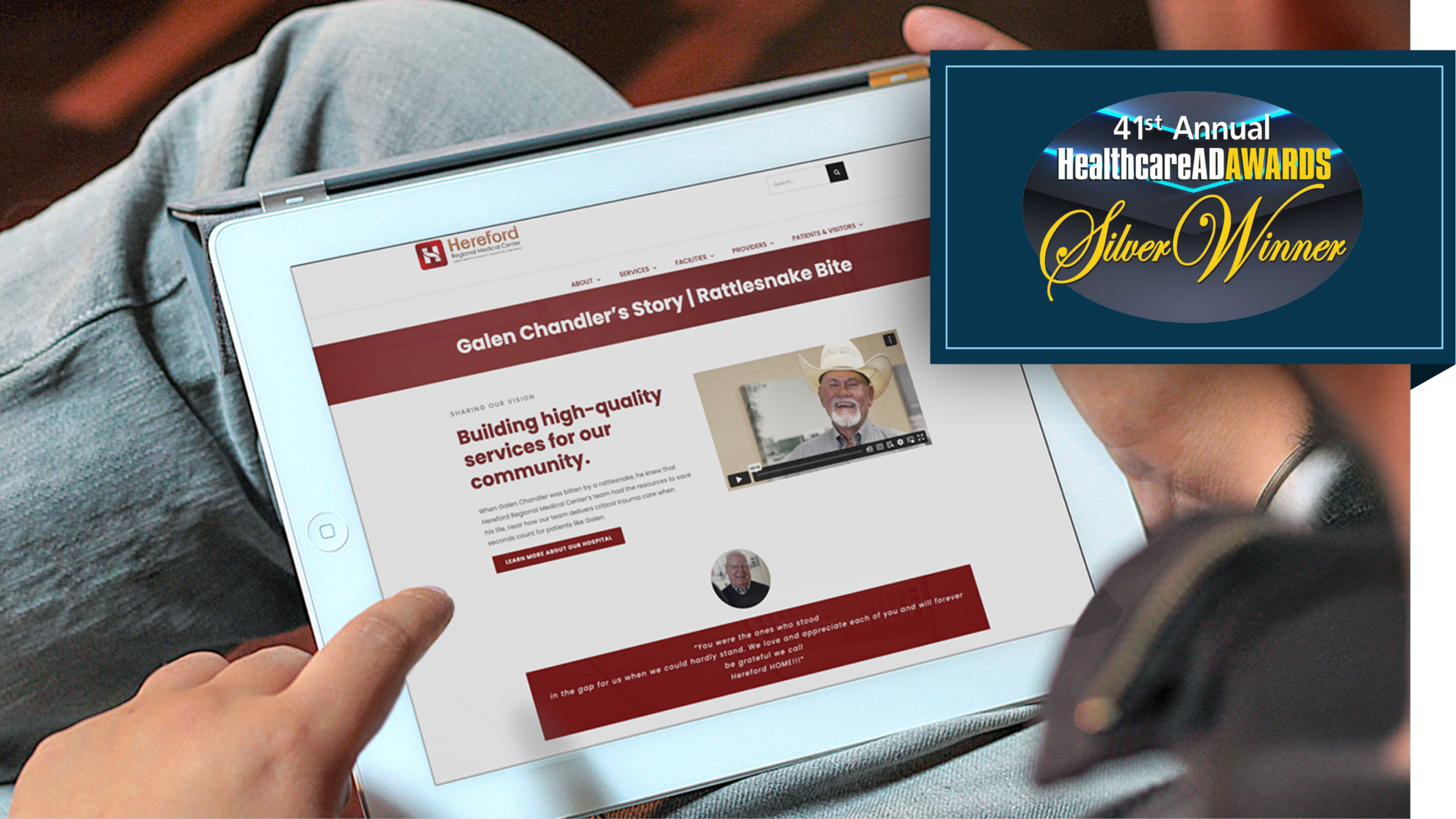
Hiss Happens: That’s Why Rural Hospitals Matter.
In a routine strategic planning session, HRMC leaders mentioned a patient’s close call with a rattlesnake, and the Groundswell Health team knew it would be a message that would resonate especially as legislators considered crucial rural healthcare funding and other rural hospitals struggle to invest and maintain profitability.
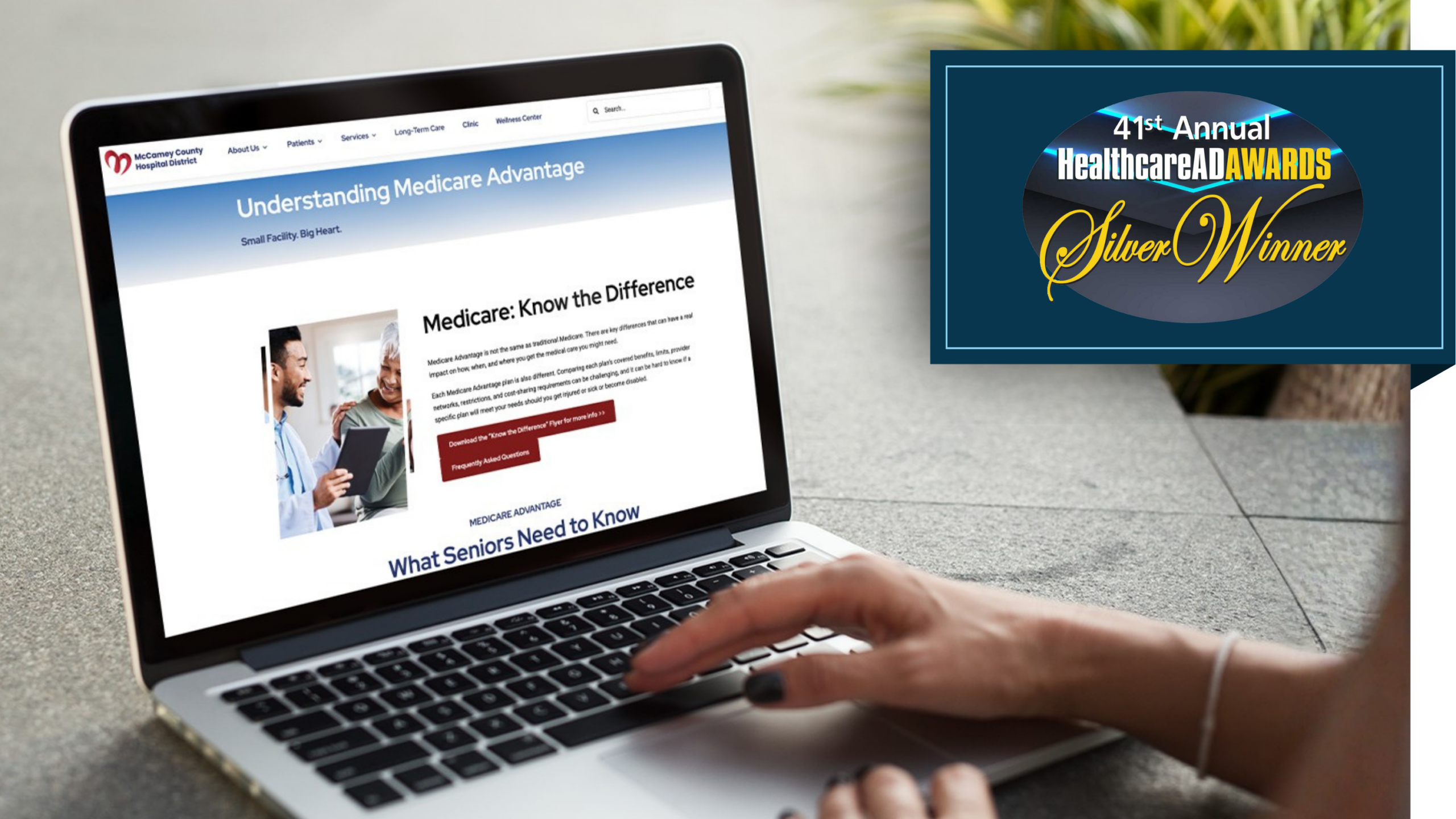
Empowering rural hospitals to engage their communities.
Amplifying Rural Voices Empowering rural hospitals to engage their communities. Blog, Social, Outreach, Flyers About

Increasing Patient Volume for Haskell Memorial Hospital
Haskell memorial hospital Increasing Patient Volume Significantly expanding online reach. Website, Digital Targeting About
Medicare Advantage Headlines >>
Ranking Medicare Advantage Insurers by Prior Authorization Denial Overturn Rates
While the majority of Medicare Advantage insurers overturn prior authorization denials when those decisions are appealed, the appeal process adds
Texas Leads Nation in Number of Counties with MA Penetration Exceeding 75 Percent
Of the 38 counties in the U.S where Medicare Advantage enrollment is 75 percent or more, six are in Texas,